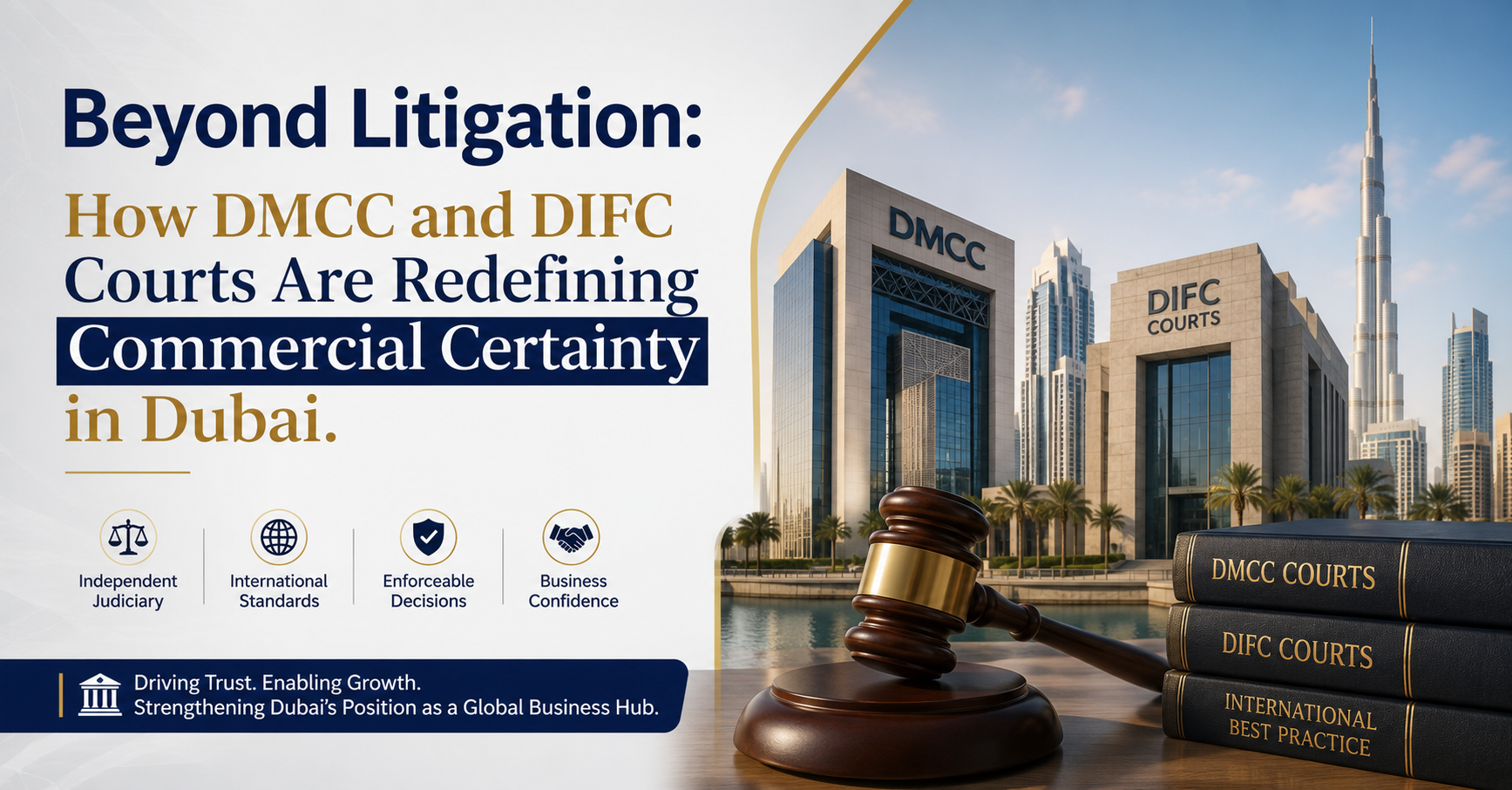
The Dubai International Financial Centre (DIFC) has never been content to stand still. But the wave of structural, legal, and technological introductions rolled out over the past 18 months signal something more deliberate than incremental progress, it is a jurisdiction actively repositioning itself as the global benchmark for the future of finance and commercial justice.
The Digital Economy Court, where one-of-its-kind adjudication happens pertaining to only digital assets and all things digital. This Court handles litigations linked with crypto to stablecoin disputes to token fraud within the common law framework that is enforceable internationally. In the landmark case of ‘TrueUSD’, the Digital Economy Court issued a worldwide freezing order preserving up to 456 million USD in disputed reserves signally to the market that Dubai’s Courts can move decisively on large-scale digital asset matters.
The Digital Assets Will Service runs on the Hedera blockchain and allows individuals to include cryptocurrency, tokens, and other blockchain-based holdings in their estate plans through a non-custodial wallet framework. This closes a genuine gap in regional wealth planning as until now, digital asset holders faced serious uncertainty about the legal enforceability of succession arrangements over crypto portfolios.
Additionally, in December 2025, DIFC Courts took a further step by introducing regulated third-party services for complex digital asset litigation, under its newly launched Growth Strategy 2026-2030. Zodia Custody and Crystal Intelligence are available on a case-by-case basis where parties can demonstrate sufficient need, and they also underpin oversight of the Digital Assets Will Service.
Further, under 2025 Law No. (2), DIFC Courts launched a Mediation Centre offering both online AI-enabled sessions and in-person dispute resolution and a Blockchain enabled Notary Service to create tamper-proof records of English-language documents.
Lastly, the most ambitious announcement came in April 2026, DIFC declared it will become the world’s first AI-Native financial centre embedding artificial intelligence not as a feature, but as infrastructure. AI will be integrated across legal and regulatory frameworks, business operations, compliance systems, talent development and even the physical environment of the district itself.
Faimy Amar & Co. Legal Consultants brings expert legal guidance across DIFC matters — from dispute resolution and digital asset frameworks to regulatory compliance and
business structuring. If these developments raise questions for you or your organisation, don’t wait for clarity to come to you.
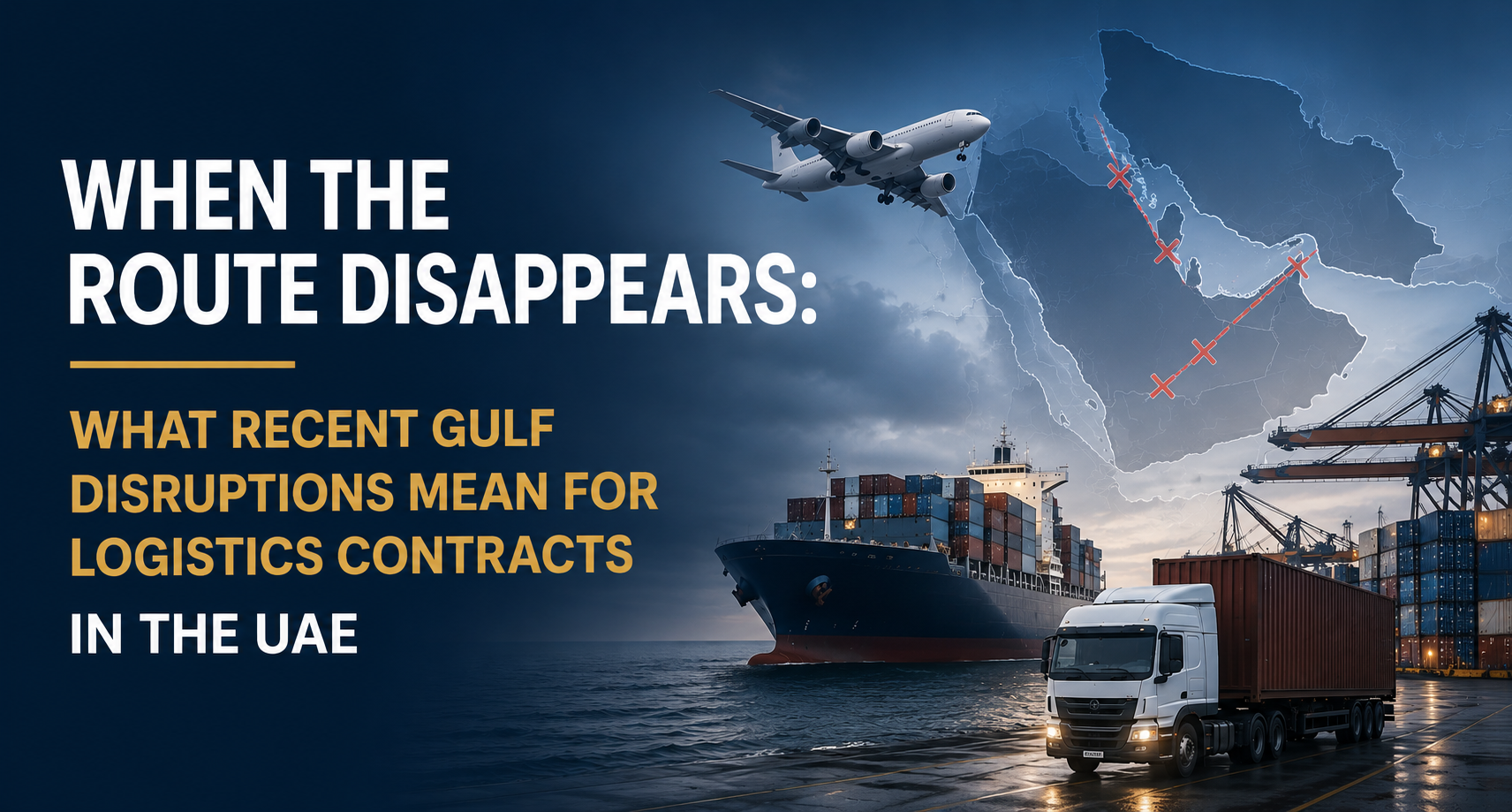
Recent disruptions to key regional shipping routes have demonstrated how quickly geopolitical developments can translate into significant operational and financial risks for businesses operating in the UAE’s logistics sector. The rerouting of vessels away from the Red Sea and, more recently, the Gulf has resulted in prolonged transit times, increased freight rates, emergency surcharges, and fluctuating war-risk insurance premiums. For freight forwarders, importers, exporters, and warehousing operators, these developments underscore the importance of ensuring that commercial contracts clearly anticipate and allocate responsibility for delays, rerouting, additional costs, and other consequences arising from such disruptions.
When a route closes or a surcharge appears overnight, the first question is always the same: who absorbs the cost, and who is entitled to more time? The answer usually sits buried in clauses that nobody reads carefully until there is a dispute. Force majeure clauses were often drafted years ago and never anticipated repeated, back-to-back disruptions rather than a single isolated event. Freight and surcharge clauses may not clearly say whether a carrier can pass on a new “emergency” charge without fresh agreement. Delivery and demurrage terms often assume normal transit times, leaving forwarders exposed to penalties for delays that were entirely outside their control. And many contracts require notice and mitigation steps before a party can rely on force majeure at all, requirements that are easy to miss under pressure.
Freight forwarders and NVOCCs (Non-Vessel Operating Common Carriers) are often caught between a carrier’s surcharge and a client’s fixed-price quotation. Importers and exporters relying on delivery deadlines tied to letters of credit, tender conditions, or onward manufacturing schedules face similar pressure from the other direction. Warehousing and distribution operators feel the knock-on effect through delays and demurrage charges from congested ports. Insurers and cargo owners, meanwhile, need clarity on whether a rerouted voyage still falls within the geographic scope of an existing policy.
Potential contractual risks may arise where force majeure provisions do not adequately address rerouting, delays, or other disruptions, or where responsibility for additional surcharges, fixed-price commitments, transit times, insurance obligations, and notice requirements is unclear. Proper contractual drafting and documentation are therefore essential to minimise exposure and prevent disputes.
Faimy Amar & Co Legal Consultants assists in reviewing and strengthening commercial, supply, and logistics agreements to identify contractual gaps and allocate risks appropriately. Our expert team advises on force majeure provisions, liability, additional costs, notice requirements, and dispute resolution mechanisms, while also supporting businesses in assessing their contractual rights and remedies when disruptions arise. Through proactive legal review and risk management, we help businesses strengthen their contractual protection and safeguard their commercial interests. Contact Faimy Amar & Co Legal Consultants for more guidance and legal advice.
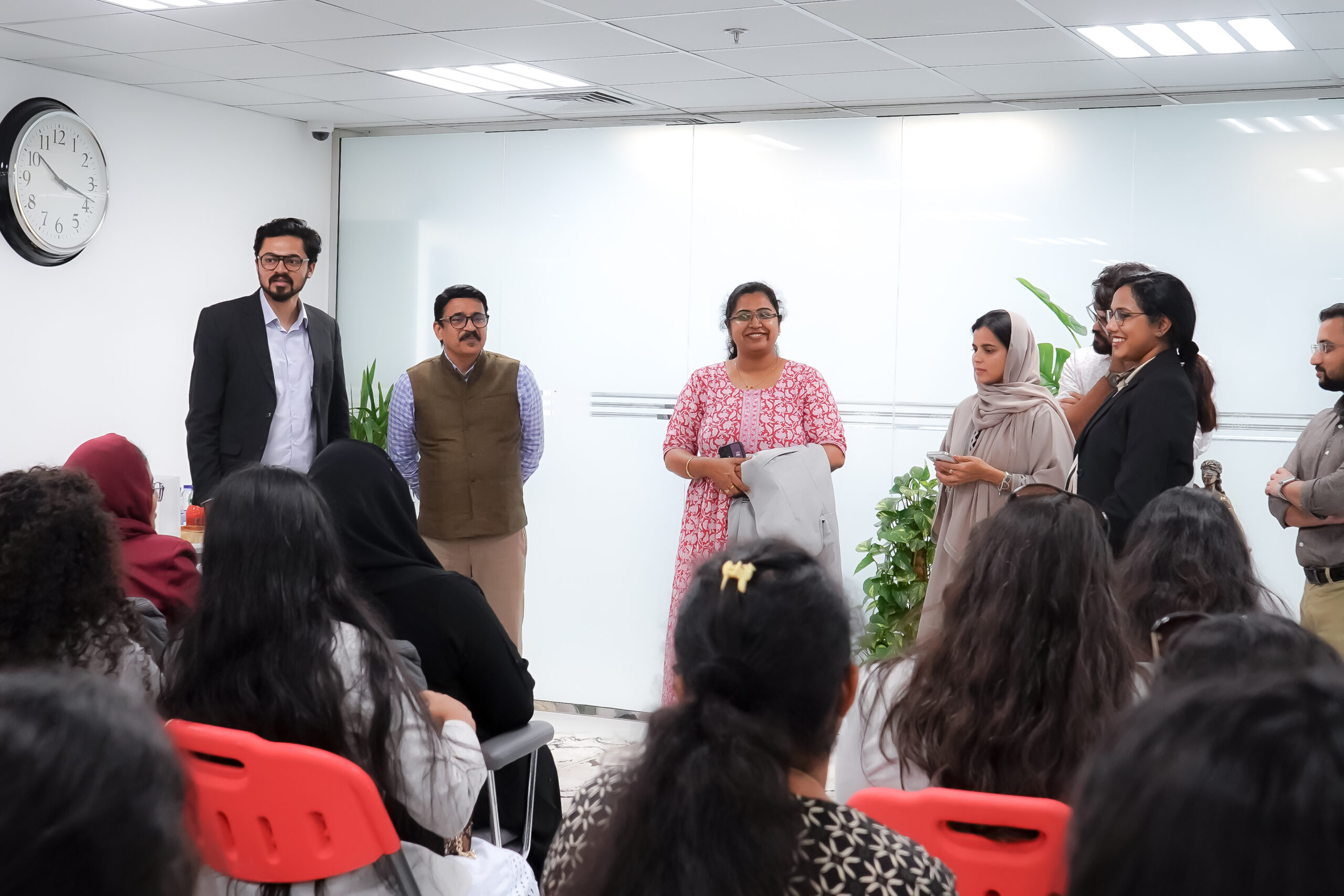
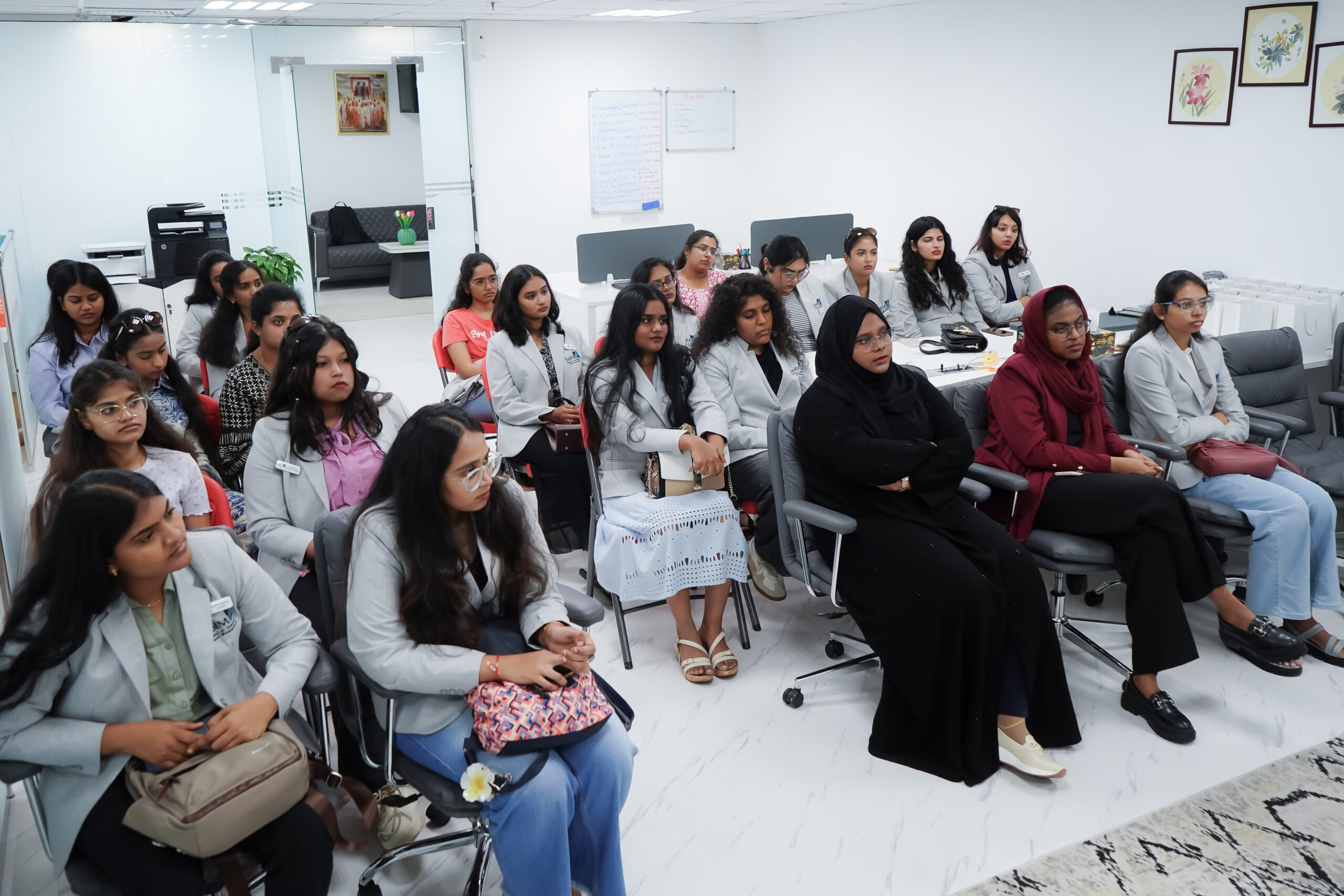
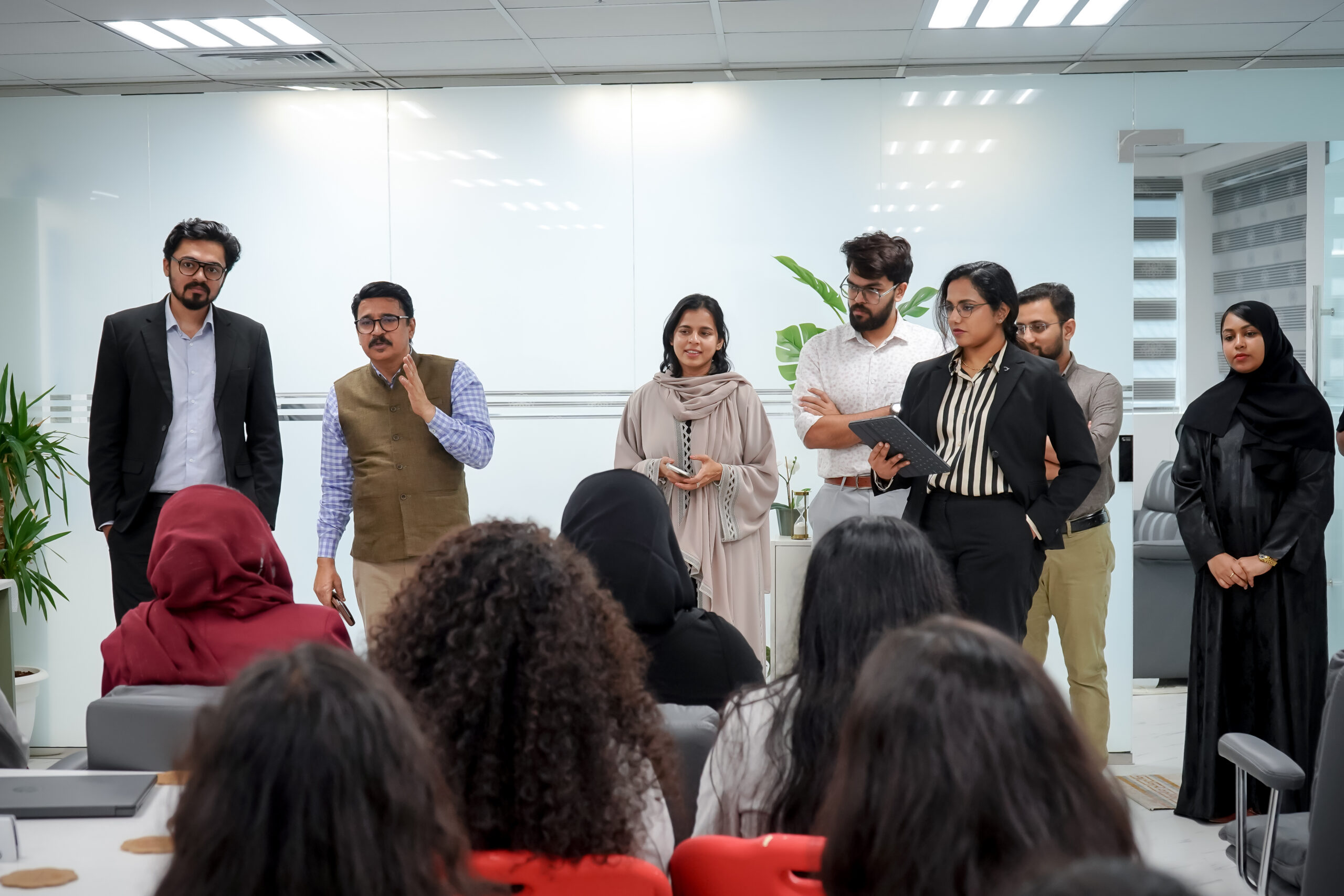
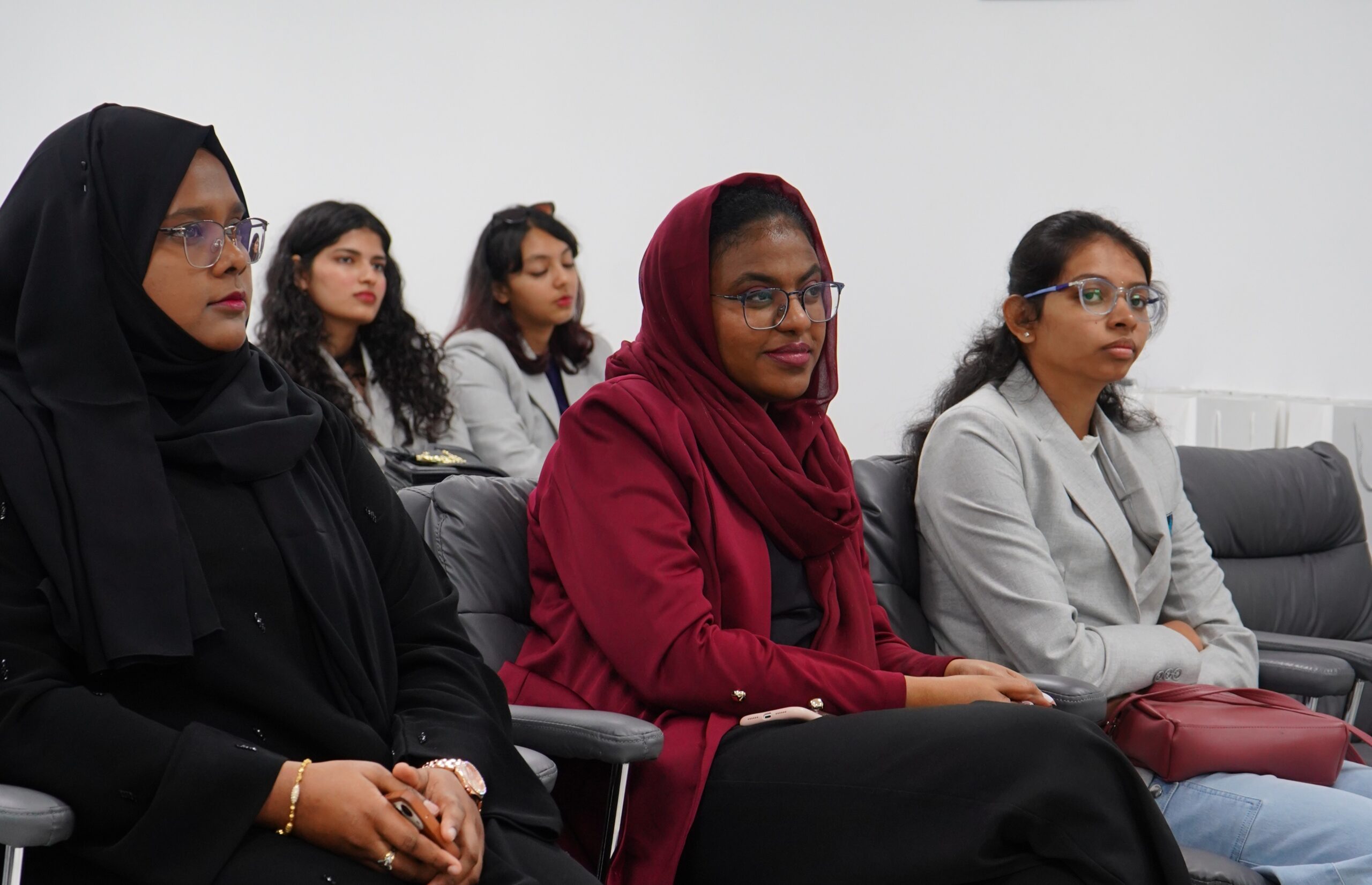
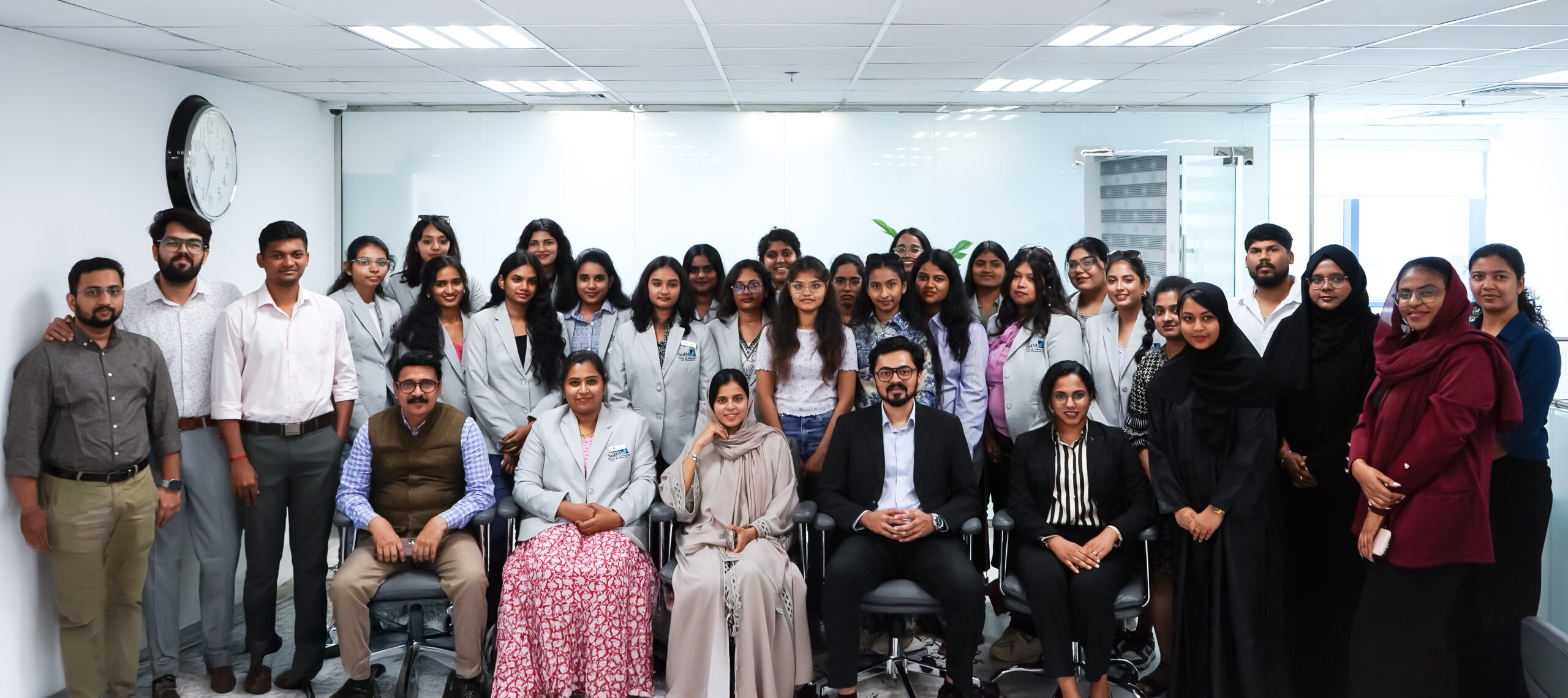
At Faimy Amar & Co., we believe that the future of business lies in fostering curiosity, collaboration, and real-world learning. Recently, we had the privilege of welcoming the final-year students of the School of Innovation and Management (SoIM) as part of their Global Immersion Program in the UAE, organized through UntechEd. Guided by Ms. K.L. Revathi, the students embarked on an immersive journey to explore how innovation and business strategy align in practice. Our CEO, Ms. Faimy Amar, and Finance Head, Mr. Sreenathan Kadanchery, together with our dedicated team, engaged with the students through open discussions, experience sharing, and practical insights into how ideas are transformed into impactful action. The session was dynamic and interactive—questions were thoughtful, curiosity was contagious, and inspiration flowed both ways. For us, it was not only about showcasing the business landscape but also about gaining fresh perspectives from the next generation of leaders. This exchange of ideas reminded us that learning is always two-sided—today’s students are tomorrow’s professionals, and their drive to innovate is what will shape the future. It was truly a day of discovery, collaboration, and shared inspiration—one that we will remember with pride.
Our responsive team is committed to delivering swift and effective solutions tailored to your needs.